


Getting the best performance out of your crossbow is as simple as selecting the best bolts for the job. Crossbow bolts need to create a reliable blend strength, speed, and accuracy to be a difference maker on the hunt. You want a bolt that zeroes in on the kill zone and impacts the target with precision every time. This guide will cover everything you need to know when selecting the best crossbow bolts for your bow.
Contents:
5 Best Crossbow Bolts Compared

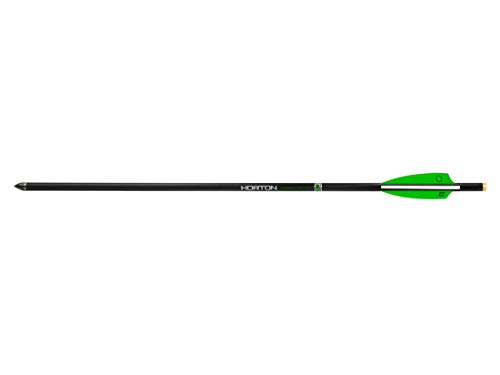
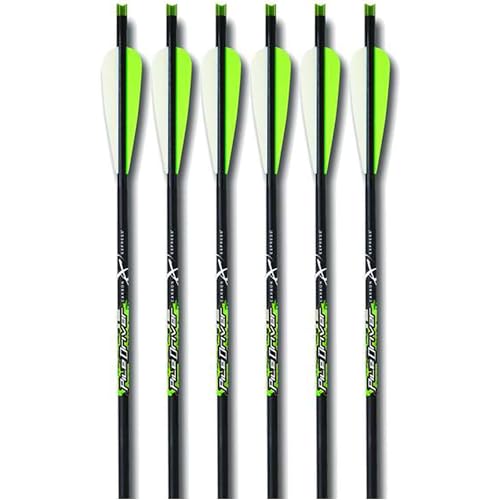
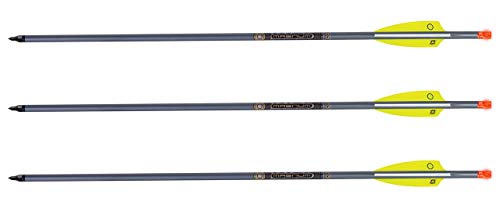
*Last updated 2026-11-19 at 14:58 / Product Links & Images from Amazon Product Advertising API
Factors in Selecting Hunting Bolts
Finding a bolt that is a perfect match with what your crossbow requires is absolutely essential. Bolts should always be sized correctly to meet the speed, momentum, and accuracy required to make your hunt successful.
Bolts share some characteristics with traditional compound bow hunting arrows. There are plenty of key differences too. Bolt shafts are constructed to a shorter length to fit the shorter power stroke from a crossbow. They also have special nocks designed to assist in launching the bolt down the rail.
There are some key elements you should consider before selecting from the crossbow bolts covered later in this guide, so you can get the results you need every time you use your crossbow.
Total bolt weight combines the fletched shaft, nock, insert, and the broadhead or field point. Bolt weight is measured in grains. Heavier bolts typically generate more energy downrange, which ultimately means better target penetration. Consult the manufacturer’s recommendations to see what the proper length and weight is needed for your crossbow

Kinetic energy is just as important as speed when sizing your bolts. Speed gets more emphasis as a primary draw for choosing a particular crossbow over another model than just about any other factor. But speed can only do so much once a bolt is released. Drag forces began to slow a bolt from the moment it is released. It’s important to choose a bolt that has maximum penetration power over one that is simply the fastest.
A crossbow will deliver the same amount of force to a bolt every single time it launches the bolt. That means a lighter bolt shoots faster and a heavier bolt shoots with more power. Crossbow bolts come in three standard weights.
- Lightweight (350-400 grains)
- Standard (400-435 grains)
- Heavy (435+ grains)
Lightweight bolts will boost overall speed and create flatter downrange trajectory. On the other hand, they also produce increased vibration, stress, and noise. This heightens the risk of doing damage to the crossbow itself. Lightweight bolts are also more prone to getting deflected away from your intended target by wind, rain or airborne debris. These bolts are best used in open areas where judging distance from the bow to target is more difficult.
Standard bolts are essentially all-purpose arrows that fit with most hunting situations. They offer a good balance between speed and kinetic energy. The increased weight in grains means that more energy is transferred from the crossbow to the bolt. It reduces vibration and noise and improves accuracy and penetration power. Standard bolts can be used in a variety of habitats and weather situations.
Heavyweight bolts produce and retain a larger amount of kinetic energy than lightweight or standard bolts. The end result is a greater ability for target penetration. They offer greater in-flight stability in inclement weather. Still, heavyweight bolts will lose trajectory more rapidly, so judging distance accurately is critical. A heavyweight bolt is the best choice when hunting in poor weather conditions or dense habitats. It is also ideal for pursuing game with thick hides.
Bolt length typically ranges from 16 to 22 inches. The average crossbow bolt is 20 inches long. Check with the manufacturer’s recommendation for your crossbow to see what length you need. If a bolt is too short, the tip can interfere with the rail when you release the bolt.
Bolt diameter is a critical factor in penetration. Small diameter bolts will cut down on wind drag when the bolt is released and offer increased durability, along with a boost in penetration power, compared to conventional diameter bolts.
Shafts on crossbow bolts are typically composed of carbon or aluminum. Both carbon and aluminum are light-weight materials. They are also durable because they are bend resistant and do not splinter. Aluminum shafts typically cost less, are quieter, and offer more spine choices. On the other hand, they do not shoot as flat as other arrows and can decrease in strength as the weight increases. Carbon shafts reduce wind drift better and shoot flatter. But the price is also higher and carbon shafts shed velocity much quicker once released.
Spine comes in two degrees: static and dynamic. Static spine is the stiffness of the bolt. Shafts will vary in degrees of stiffness. If a bolt is more resistant to bending, it has a higher static spine. The stiffness of the materials in the shaft help determine the spine. Dynamic spine refers to how much a bolt bends once it is fired. This can be influenced by string force, fletching, nock weight, and static spine. Bending will impact accuracy and consistency – especially once a bolt is released – so it’s important to control the spine on a bolt.
Nocks keep a bolt in place as you line up your shot. A nock is attached to the back of the shaft and is typically made from aluminum or plastic. Crossbow bol